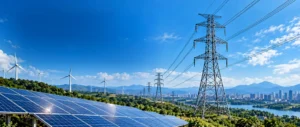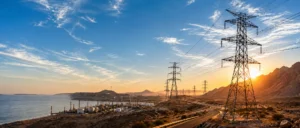



When it comes to building power infrastructure, such as transmission lines or sub-stations, protecting the steel is equally as important as building it strong. Steel is tough, but without a proper external coating like paint or galvanizing, it can rust and deteriorate sooner than it should.
The two most popular methods of protecting steel from corrosion are painting and hot-dip galvanizing. Each has its pros and cons but which provides longer-lasting protection and cost-effectiveness, especially for critical infrastructure?
“Hot-dip galvanized steel provides three levels of corrosion resistance – barrier protection, cathodic protection, and the zinc patina which allows it to withstand the elements in all types of environments.”
— American Galvanizers Association
As specialists in power transmission structures, Vijay Transmission has observed first hand how protective methods directly impact performance and longevity. Let’s see which method truly lasts!
Why Do Steel Structures Need Protection?
Steel’s strength and dependability make it a popular choice for power infrastructure. However, steel can rust when exposed to air, water, or chemicals, particularly in industrial or coastal settings. Rust reduces the metal’s strength, shortens its lifespan, and may even make structures unsafe.
That’s why a protective coating is needed. A good finish helps steel last longer and stay safe for years.
What Is Painting?
Painting is one of the oldest and most common way to protect steel. People have been using paint for thousands of years to prevent steel from rust.
In modern infrastructure, painting is popular because it’s affordable. But paint doesn’t last forever; how long it lasts really comes down to the environment and the type of paint used. Painting might be needed every 3-5 years. In coastal areas, where salt in the air speeds up rust, paint may need to be reapplied even sooner.
What Is Hot-Dip Galvanizing?
Galvanization is the process of applying a protective coat of zinc to steel or iron to protect against corrosion. The most common method is hot-dip galvanizing. In hot-dip galvanizing, steel or iron is dipped into a bath of molten zinc, which creates a shiny surface. This method was first used in the 1800s and is now considered a reliable way to protect metal structures.
Galvanized steel has a shiny, silver appearance. It not only looks clean, but it also lasts much longer than painted steel. In many cases, galvanized structures can last 40 to 70 years without needing much maintenance.
Hot Dip Galvanising vs Painting: A Comparative Analysis
| Factor | Hot Dip Galvanising | Painting |
| Durability | 40–70 years | 3-5 years before re-coating |
| Maintenance | Low | High (frequent re-coating) |
| Cost (Lifecycle) | Higher upfront but no expense in long-term | Lower upfront but higher replacement cost |
| Corrosion Resistance | Excellent (sacrificial protection) | Moderate |
| Suitability for Harsh Environments | Ideal | Limited |
Which One Costs More?
Painting usually costs less at the beginning but it typically wears off quicker than other finishes and often needs to be repainted every few years. It can be expensive to repaint towers, because it usually requires trained workers and a lot of safety equipment. Additionally, operations may be impacted if power needs to be shut down during the work.
Hot-dip galvanizing has a higher upfront cost, but you do not have to do it more than once. Over time, it often saves money because you don’t have to reapply it. Therefore, galvanizing is a wise long-term investment.
Why Power Infrastructure Prefers Galvanizing
In the power sector, galvanizing is mostly the best option for protection of steel structures due to the long lifespan of such projects. Hot-dip galvanizing provides strong, durable barrier properties, even in harsh environments like coastal areas, deserts, or industrial zones where moisture, salt, and chemicals accelerate corrosion. Paint deteriorates much more quickly than galvanizing in these environments.
Another reason for this preference is that galvanizing is supported by strict global standards such as IEC, ASTM, and IS codes, which assure consistency in coating quality and performance. Such standards are being followed by power utilities all over the world for safety, durability, and minimal maintenance over decades of use.
Galvanizing also provides clear sustainability advantages. Unlike other coatings, zinc coatings provide long-lasting protection and require less frequent maintenance, which also means fewer resources, labor, and eventually a lower environmental footprint over time. At Vijay Transmission, our galvanized transmission towers and substation structures are designed to meet these international standards, giving utilities a reliable and eco-friendly solution that performs for decades.
When is Painting Still Useful?
The most suitable long-term solution is galvanizing; however, there are cases when it is possible to use painting such as temporary buildings, indoor use, and projects that require certain colors or finishes. Painting is commonly used in cases where aesthetics is important or branding is important, or where the structure will not be subjected to extreme weather conditions in the long run.
Which One Should You Choose?
In case of a short term project or you simply require a particular colour, painting suffices. However, when you are building infrastructure that needs to last a long time especially in extreme environments, then hot-dip galvanizing is typically the best option.
It protects better, lasts longer, and saves money in the long run.
Why Work with Vijay Transmission Pvt. Ltd.?
At Vijay Transmission Pvt. Ltd., we’ve been designing and building steel structures for the power sector for many years. We offer:
- Custom Transmission towers
- Substation structures
- RSJ poles and distribution structures
- Gratings and earthing solutions
Not only do we manufacture, but we also galvanize and test everything in-house to make sure you get reliable, tested and long-lasting products.
We are proud to serve power utilities and contractors across India and around the globe with reliable quality, on-time deliverance and long-lasting solutions.
Final Thoughts
Hot-dip galvanizing is the most tested and cost-effective method of protecting power infrastructure against corrosion, particularly in long-term large-scale projects. Painting is normally used in the temporary environment or improve aesthetics and it tends to wear out faster and also need more maintenance than hot dip galvanizing.
As power infrastructure continues to expand globally, trusted manufacturers like Vijay Transmission ensure that every structure whether galvanised or painted, stands to meet the demands of durability, safety, and efficiency.