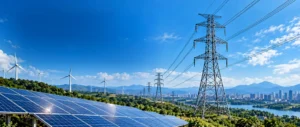


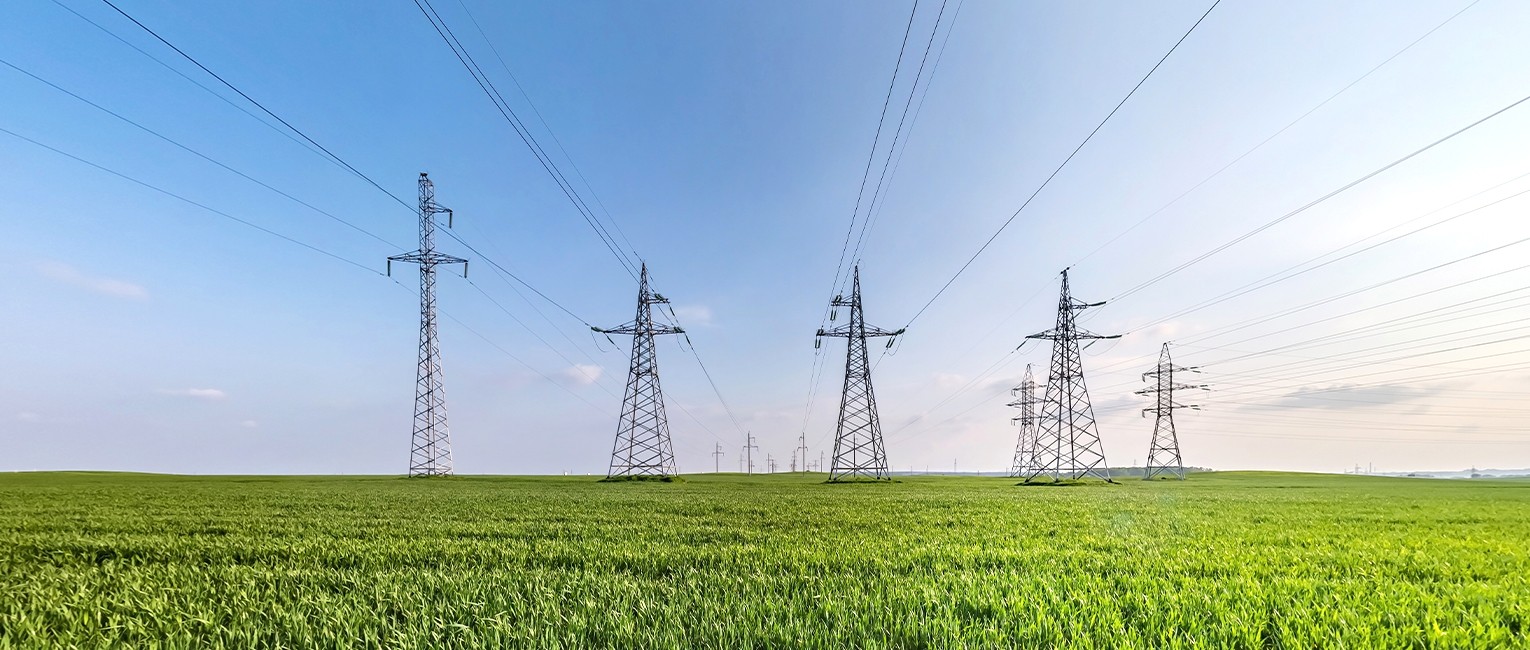
India’s energy story is changing in a very visible way. If you look around today, solar farms are spreading across open land, wind turbines are rising on coastlines and hills, and new clean energy projects are coming up faster than ever before. But behind all of this progress, there is one part of the system that rarely gets any attention, even though nothing works without it and that is steel transmission towers.
These towers quietly carry electricity from where it is produced to where it is needed. They connect remote renewable energy projects to cities, industries, and homes. Without them, clean energy would simply stay stranded at the source. So while solar farms and wind turbines often get all the attention, it is these steel structures that make sure the power reaches people.
Earlier, transmission towers were built mainly for steady and predictable power coming from large power plants. Today, things are very different. Renewable energy does not behave in a fixed way. It changes with the weather, the time of day, and the location. Because of this, the entire transmission system has to be far more flexible and reliable. Steel towers now carry a much bigger responsibility than before, because they support this new and changing energy mix.
What makes steel so important is simple: it is strong, dependable, and long-lasting. These towers are often placed in harsh environments, from hot deserts to windy plains and coastal areas with high corrosion. They are expected to stand tall for decades with very little room for failure. That is the reason why steel remains the most trusted material for this job because it can handle pressure, weather, and time better than most alternatives.
Built for a New Kind of Energy System
The way electricity is generated today is very different from the past. Instead of coming from a single source, power now comes from many smaller as well as scattered locations. This creates a challenge because the grid has to manage constantly changing supply and demand. Steel towers play a key role in keeping everything connected and balanced.
Modern tower design is much more thoughtful and precise. Engineers now use advanced tools to study wind pressure, load distribution, and long-term stress before a tower is even built. As a result, today’s structures are designed for strength, but also for efficiency with respect to material use and spatial organization.
Speed also matters renewable energy projects are increasing at a rapid pace and transmission systems need to keep up. This is the reason why towers are designed in modular formats, so they can be manufactured faster and carried to remote locations and assembled at site. This is beneficial in minimizing delays but at the same time ensuring safety and cost effective transportation, which is paramount for large-scale energy projects.
Keeping the Grid Connected and Stable
One of the biggest challenges with renewable energy is that it does not produce power at a constant rate. Solar energy drops in the evening, wind changes throughout the day, and supply can vary from region to region. Steel transmission towers help solve this by connecting different parts of the country through a single network.
When one area generates more electricity than it requires, it might be transferred to another area with greater need. This balancing act is what keeps the grid stable. This is made feasible by steel towers, which connect long-distance transmission lines that link entire regions.
They also form the backbone of large transmission corridors that are needed for future renewable expansion. India’s continued investment in clean energy capacity makes these corridors even more critical for the future. Without a strong transmission infrastructure, renewable energy cannot reach its full potential.
Vijay Transmission’s Role in Strengthening Infrastructure
In this evolving energy landscape, companies like Vijay Transmission play an important role in supporting the backbone of the power system. While steel towers form the structure, there other products, like Earthing and transmission line accessories ensure long-term reliability and performance of the entire network.
At Vijay Transmission, our focus remains on building components that meet the demands of modern transmission systems. By emphasizing precision engineering, rigorous quality checks, and stringent material selection, our company contributes to improving the strength and reliability of transmission infrastructure that supports steel tower networks across varied terrains as well as operating conditions.
As renewable energy projects grow in scale and complexity, the need for dependable transmission support becomes even more critical. This is where reliable and practical engineering solutions help to ensure ransmission systems remain stable, efficient, and capable of handling future energy requirements.
The Quiet Backbone of India’s Energy Future
Steel transmission towers may not be the most visible part of India’s renewable energy journey, but they are one of the most important. They quietly support the entire system, making sure electricity flows smoothly from where it is generated to where it is needed.
As India moves toward a cleaner and more sustainable future, these towers will continue to play a central role. They will evolve, become more advanced, and adapt to new technologies, but their purpose will remain the same: keeping the grid connected and reliable.
In many ways, they are the silent backbone of the energy transition. Strong, steady, and always working in the background, they make sure that Energy produced anywhere and everywhere reaches the right customers at the right time, laying foundation for sustainable growth and economic development